The AI writing workspace
where rough notes become long-form work.
Strut is an AI-powered workspace and notebook that helps you create, expand, and organize essays, articles, reports, and manuscripts from the notes you already have.
Free to use — collect 2,000 AI tokens every day you visit, up to 80,000. Pro removes every limit: start a free trial.
after contact.
FROM FRAGMENT TO MANUSCRIPT
Long-form work grows
one thought at a time.
Ideas rarely arrive in outline order. Strut keeps rough notes, developed passages, structure, and the full draft connected as the work grows.
Capture
Catch rough notes, fragments, quotations, and questions before they disappear.
Develop
Expand a promising note, connect related ideas, and discover what the piece wants to say.
Structure
Arrange material into an outline, sections, or chapters without losing the source context.
Write long
Build and revise the full draft with context-aware AI that follows your direction.
Rough notes nearby.
The whole draft in view.
Outline, sources, version history, and a context-aware assistant around one manuscript — not four apps pretending to cooperate.
Tools should hold
context, not attention.
Every switch asks the writer to rebuild a small world: the reader, the argument, the evidence, the sentence that almost arrived.
A connected workspace protects that world long enough for an idea to become useful.✦ Strengthen this passage
A connected workspace holds the reader, the argument, and the half-finished sentence in place — so returning to the draft costs a minute instead of an hour.
From the first fragment
to the finished draft.
Expand the idea without losing where it came from.
Give AI your rough notes, outline, relevant sources, and current section—then develop the draft one deliberate operation at a time.
Catch the fragment.
Develop it later.
ExploreNotes, outline, chapters,
and drafts in one place.
ExploreSee the section
and the whole.
ExploreLearn the craft
around the tool.
and growing
Free writing tools
for the next decision.
Free outline generator: turn a topic, a reader, and one promise into a seven-part working outline you can edit and draft from. No account needed.
Open tool →Free writing brief generator: answer four questions to get a brief covering reader, promise, evidence, claim, scope, and a definition of done.
Open tool →Free focus sprint planner for one writing session: a finish line, a setup, a protected work block, the distraction you named, and a five-minute close.
Open tool →Prefer to see the assistant first? Read what Strut AI does inside a long-form draft.
Ideas for a more
deliberate practice.
What is an AI writing workspace? A working guide
What an AI writing workspace is, how it differs from a chat window, the layers it keeps together, and how to judge whether one suits your work.
Read guide
How to build a second brain for long-form writing
Build a lightweight note system that keeps reading, meetings, and stray observations in a form your next essay, report, or book can actually use.
Read guide
How to organize a writing project that holds up
A working structure for a long-form writing project: one project home, research kept separate, a live outline, one current draft, clear stages.
Read guide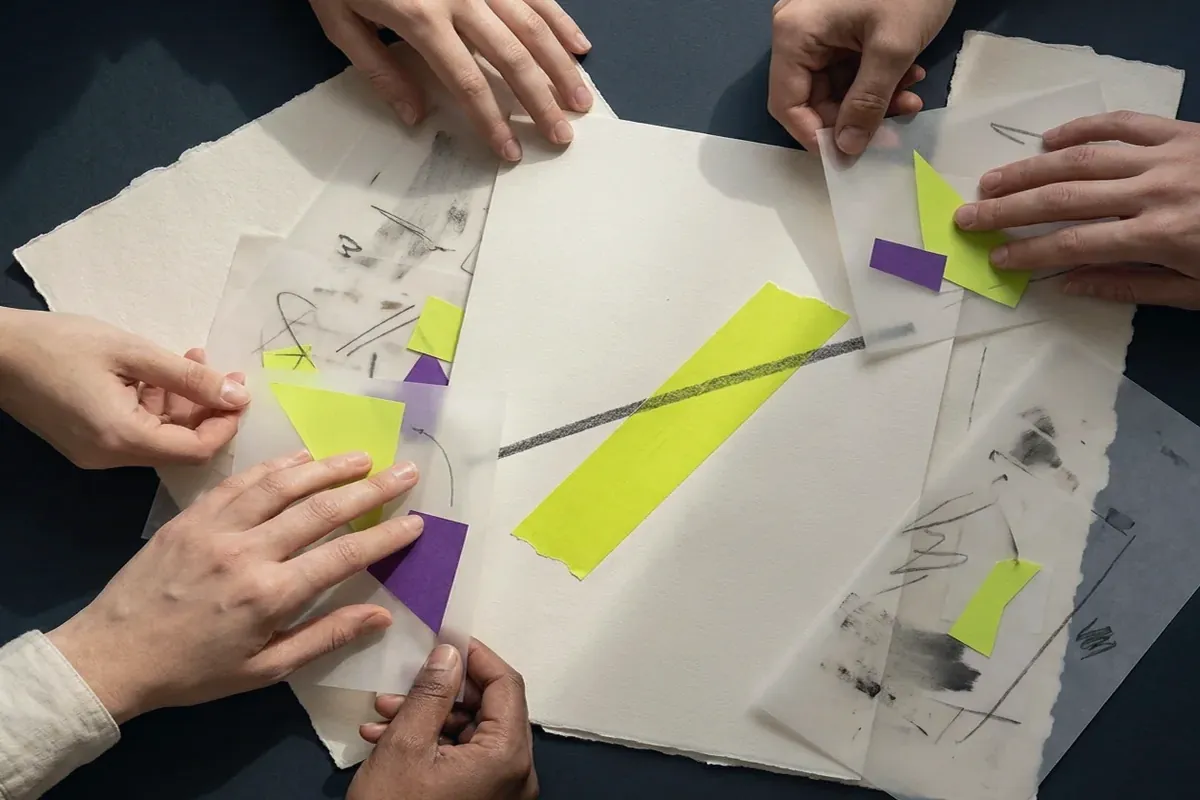
How to edit a long-form draft with collaborators
Edit a long draft with other people: diagnose it first, give each decision one owner, run the revision passes in order, and turn comments into changes.
Read guide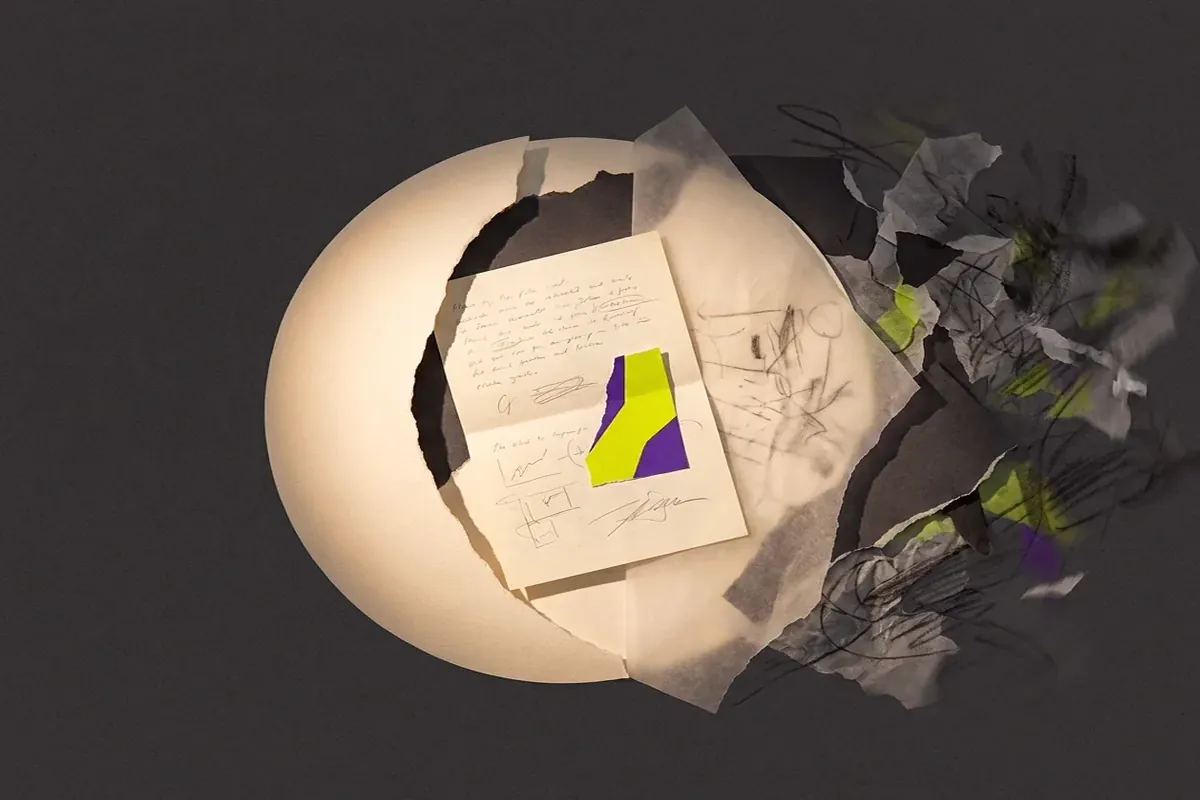
Deep work for writers: how to protect a session
Design writing sessions that hold: pick a visible finish line, prepare the runway, park stray ideas, and stop with a note that makes tomorrow easy.
Read guide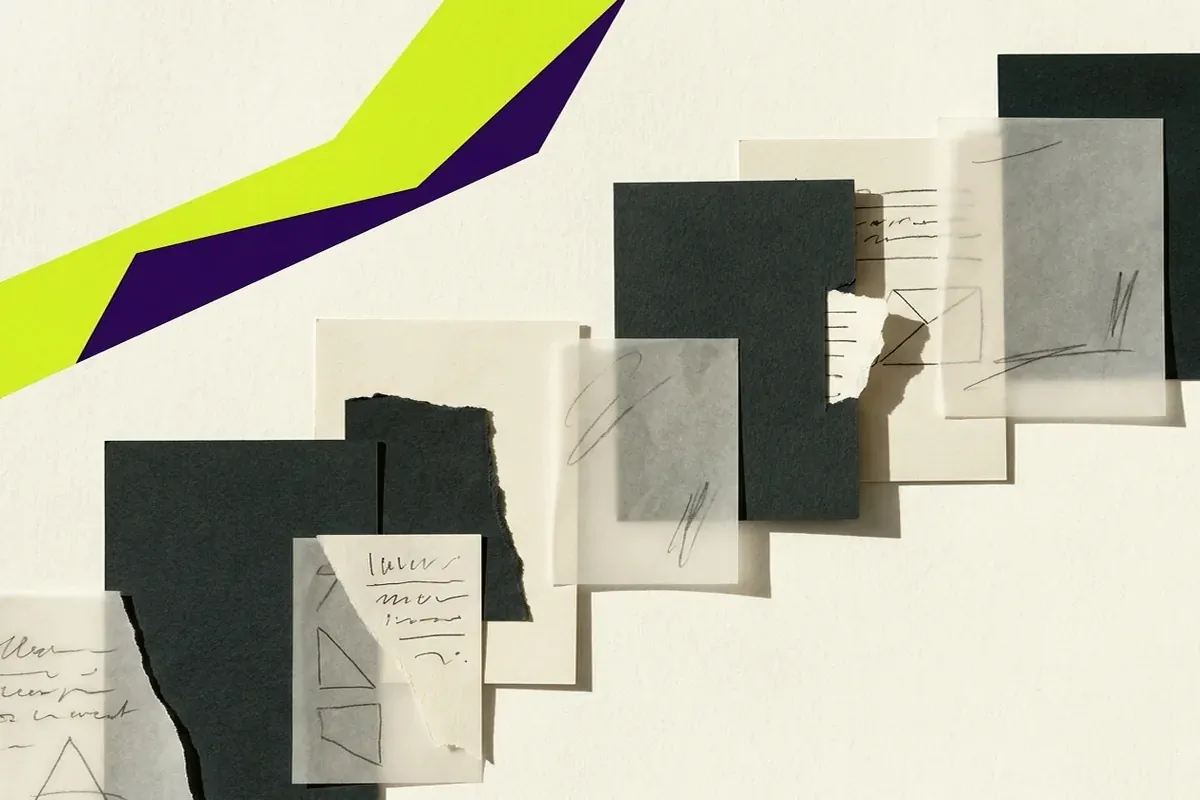
How to use Strut for long-form writing projects
A walkthrough of the Strut workspace: create a project, capture rough notes, import sources, draft in the editor, and export a finished manuscript.
Read guideFor students, and anyone
whose writing takes more than one sitting.
Reported writing lives or dies on whether you can find the quote, the document, and the context under deadline.
See the workflow →Most essays are not lost at the writing stage. They are lost in the gap between the reading and the first paragraph.
See the workflow →A thesis is a long argument assembled from more reading than anyone can hold in their head.
See the workflow →A weekly deadline punishes anyone who starts each issue from a blank page.
See the workflow →Technical writing is mostly accuracy, consistency, and surviving review.
See the workflow →A book is written over months, but it has to read as though it were written in one sitting.
See the workflow →A funding application is judged on evidence, and the evidence is never where you left it.
See the workflow →Writing in one voice is hard. Writing in four, in the same week, is a different problem entirely.
See the workflow →The assistant works on
material you already own.
Every operation runs on a passage you selected and returns a suggestion beside your draft. Nothing is rewritten in place, so the manuscript only changes when you decide it should.
Before any AI result replaces text, a restorable version is written. You can compare it against what came before and roll back to it weeks later.
Text is processed only to complete the operation you asked for, and never used to train models. The privacy policy states this plainly.
Editing, notes, search, version history, collaboration, and exports keep working when the AI allowance runs out. The workspace is not a wrapper around a model.
Questions people ask
about writing with AI.
What is an AI writing workspace?
+
An AI writing workspace is a writing environment where your rough notes, research sources, outline, and full draft live together, and where the AI operates on that material instead of on an empty prompt. The difference from a chat window is context: the assistant already knows the manuscript you are working on.
How is Strut different from a chatbot?
+
A chatbot starts every session empty, so you re-explain your project before you can ask for anything. Strut gives you named operations — expand, outline, strengthen, critique and more — that run on a passage you select, using the notes and sources already in the project.
Does Strut write the piece for me?
+
No. Every result appears beside your draft, not inside it, and only lands when you accept it. Replacements are shown as a word-level diff and a version is saved first, so any AI edit can be undone.
Is there a free plan?
+
Yes. A free account includes one project with up to three documents, unlimited notes and version history, imported sources, and 50,000 starter AI tokens. No card is needed to start.
What kind of writing is Strut for?
+
Work that takes more than one sitting: essays, articles, reports, theses, newsletters past the short post, and book manuscripts. If a piece needs research beside it and structure to hold it, it fits.
Can I get my writing out of Strut?
+
Always. Any document exports as PDF, Word, Markdown, or plain text, and version history keeps earlier states of the draft. Nothing you write is locked to a plan.
Give your rough notes
somewhere to go.
Projects, notes, versioned drafts, imported sources, and careful AI assistance in one private workspace.